From pixels to places. A story.
How did we get here?
For as long as I breathe, I’ve had a relentless passion for creative exploration. I am eternally grateful to have had the privilege to grow in a loving environment with no short supply of phenomenal sources of media that would little by little fuel this passion. Over the years, that drive paired with an appetite for problem-solving and technical know-how. One thing led to another, and thus I had found my calling in CG artistry.
Little by little…
A generalist at heart, from a young age I quickly got exposed to the Adobe Creative Suite, exploring graphic design in Photoshop and 2D motion graphics in After Effects and Premiere in a computer that just about barely had the specifications to handle it. But we work with what we have. By that time, after much sweat and tears, I was able to earn a scholarship in high school. With what money I had to spare after paying off pricey school supplies and books, I decided to double down on this flame that was beginning to light inside me and invest in a new machine for me to work on.
Sure enough, my hunger for exploring different digital mediums grew and drove me to eventually dive head-first into Cinema 4D, where I first came into contact with 3D modeling and simulation (rigid and soft-body simulation). By then, I had first established contact with the world of 3D, and I felt like I couldn’t have enough of it. There was something special about this, I just couldn’t point my finger where exactly.
My free time was beginning to shrink as I started my university course on Audiovisual & Multimedia and began to sip from more theoretical concepts behind what it means to communicate and how to do so effectively. But I pushed on nonetheless — I knew I had something great brewing. Whenever time allowed, I’d make time to spend time working in my new-found hobby. Then, all of a sudden, the Covid-19 pandemic swooped by and threw my university experience on its toes. It was an incredibly tough time for me psychologically, with the threat of losing family members and subsequent loss, paired with social isolation stirring bottled up depressive thoughts and a debilitating anxiety. But, the thing people don’t tell you enough, is that these things can serve as blessings in disguise — as long as we strive to see them through the right lens.
Through trials and tribulations
Having far more free time, I had begun to adopt an almost military regime to keep me mentally fresh and fulfilled despite the uncertain circumstances. I began to pour everything I had into my passion. Completing course after course, I began diving into Blender, where I fell in love with hard-surface modeling, shading, virtual set-dressing, environment and technical art. Then came Substance Painter and Marmoset Toolbag, where I explored baking and texturing realistic and stylized objects and props, Embergen for some lovely real-time volumetric experiments, World Creator for landscape terrain generation, Unreal Engine for some real-time rendering. Last but certainly not least, came the time for 3DS Max, where through the use of Vray, Corona Render, Forest Pack and Railclone, allied to Blackmagic Fusion and Resolve (and after countless migraines, one might add) I was properly thrown into the world of parametric modeling, lighting, rendering, compositing, color correcting and grading.
The great filter
And because it’d feel wrong if I didn’t acknowledge it — when Generative AI tools began to make headlines, my days had become a roller coaster of emotions, alternating indefinitely between a doomsday mentality and a blissfully ignorant optimism. “Was all the work I’ve been putting into this going to go to waste?”, I thought. As the models, the tools being rolled out and my own thoughts on the topic matured, however, the cloudy fog that is Generative AI began to thin out just the slightest bit. I’ve come to realize that these tools, whatever the output type, are fundamentally wired in such a way that have them deliver the most statistically likely (read: generic) ‘answer’ to your prompt, be it written, visual, audio based, and so forth; based on the latent space built upon the available material found in their databases. Its lack of intention driven by a statistical narrow-mindedness should be enough reason to prove that regardless of the visual fidelity that these outputs may eventually reach, intentionality is that core difference that separates creative work from purely synthetic outputs. And the more intentional your work is, the more it pushes out the boundaries of this liminal point cloud of ideas and concepts. Extrapolation vs interpolation.
That isn’t to say I don’t believe there are genuine use-cases for these models. Generative AI models, regardless of whether Large Language Models, Image, Video, Audio or 3D Diffusion/Upscaling/Enhancing Models (and whichever model type comes next), these can be brilliant pattern recognizers and thus synthesize, parse and process information quite well. Used properly, with data privacy, good will and critical thinking always present in mind, they can be fantastic tools for concepting, implementing adjustments or interpreting information in a generic manner.
But on the flip side, there are also a lot of negative aspects to consider when using these tools. The unethical data scraping done to feed most models, the tremendous energy and drinking water consumption to power and cool their cloud-based datacenters, the severe human exploitation many times involved in data filtering, exploiting developing countries’ workforces. Adding to this, we also have to consider how, in the wrong hands, these tools can be also used for very destructive purposes, such as the degradation of culture, the eroding of our societies, the omnipresence of misinformation and the collapse of communication and public trust.
After all is said and done…
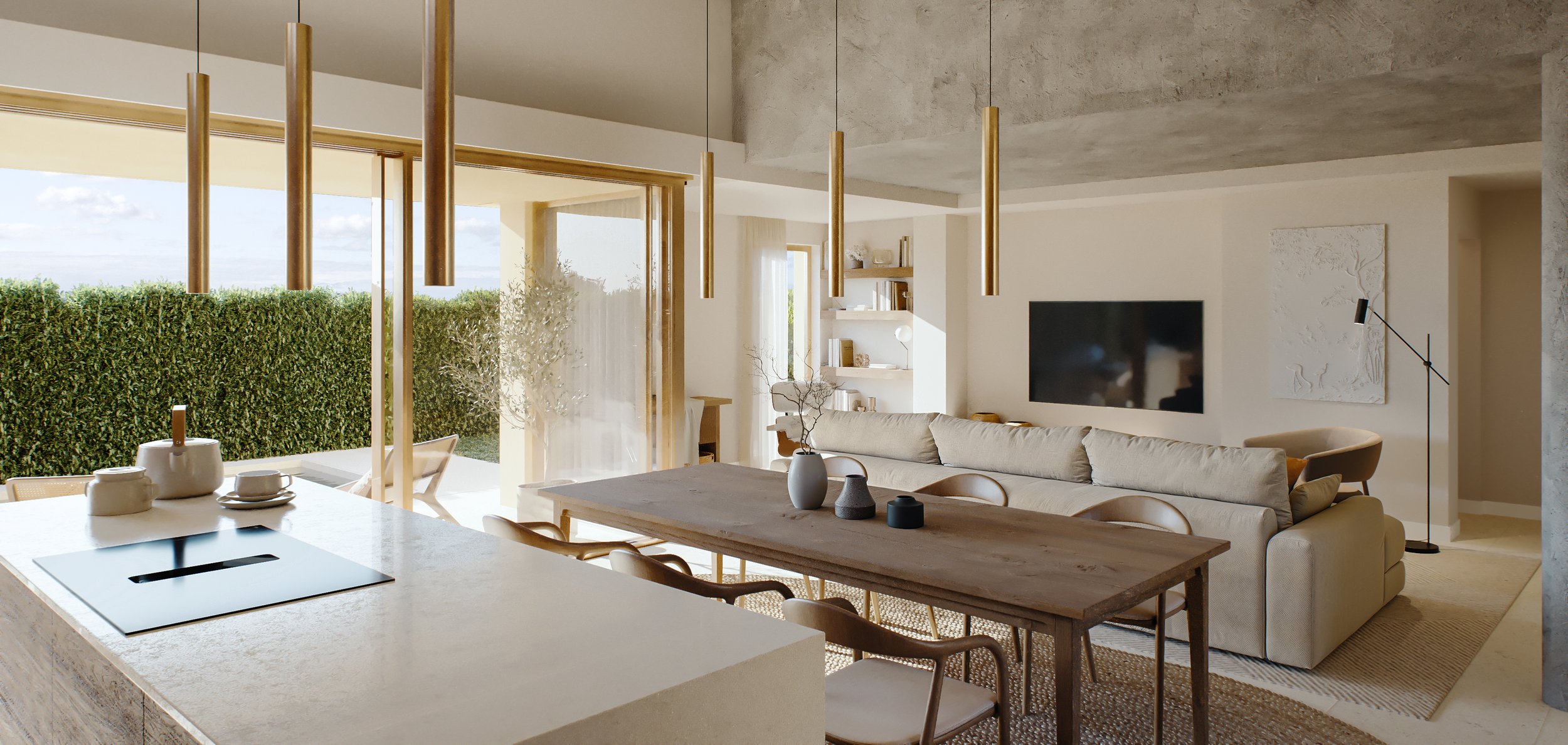
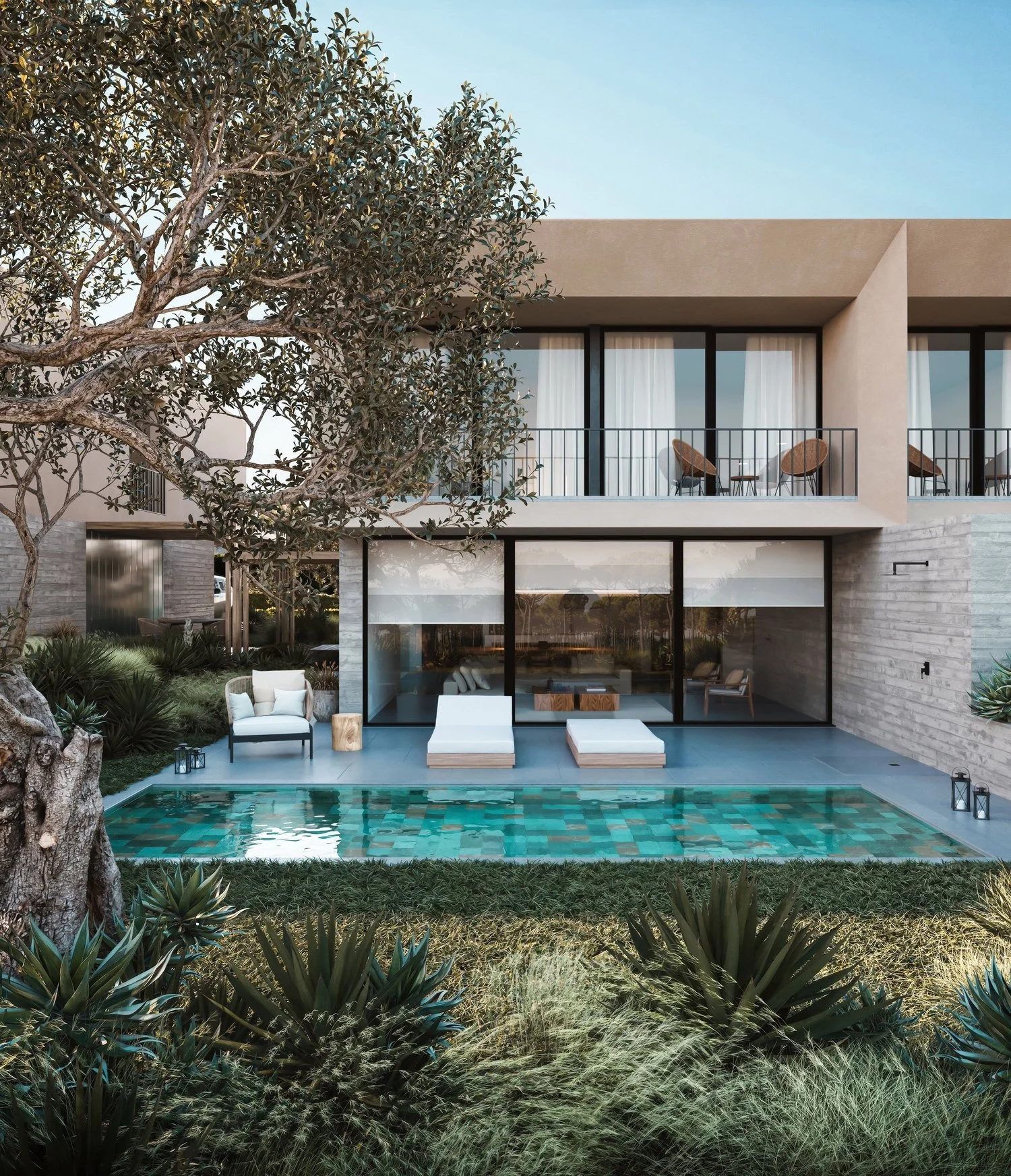
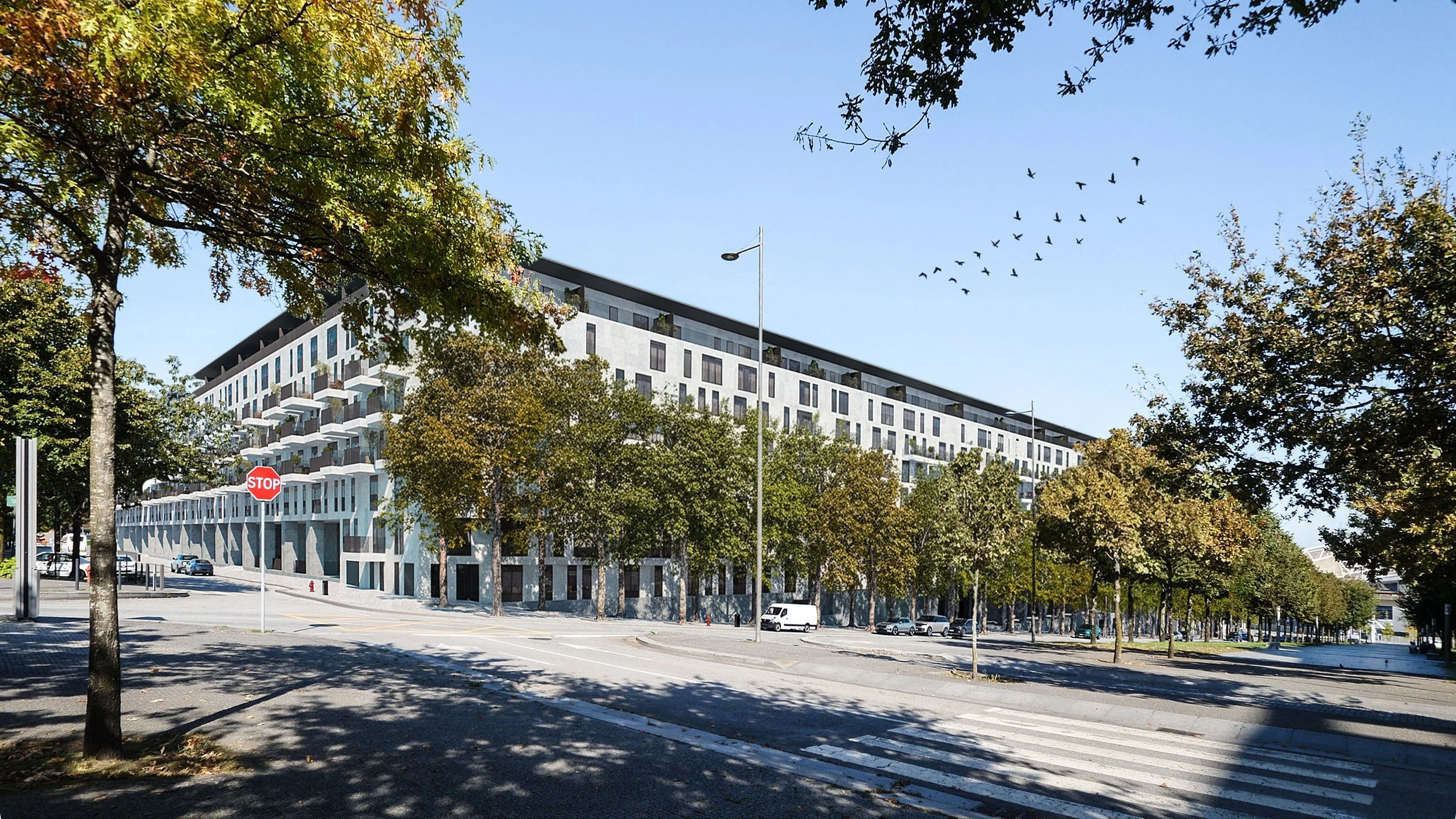
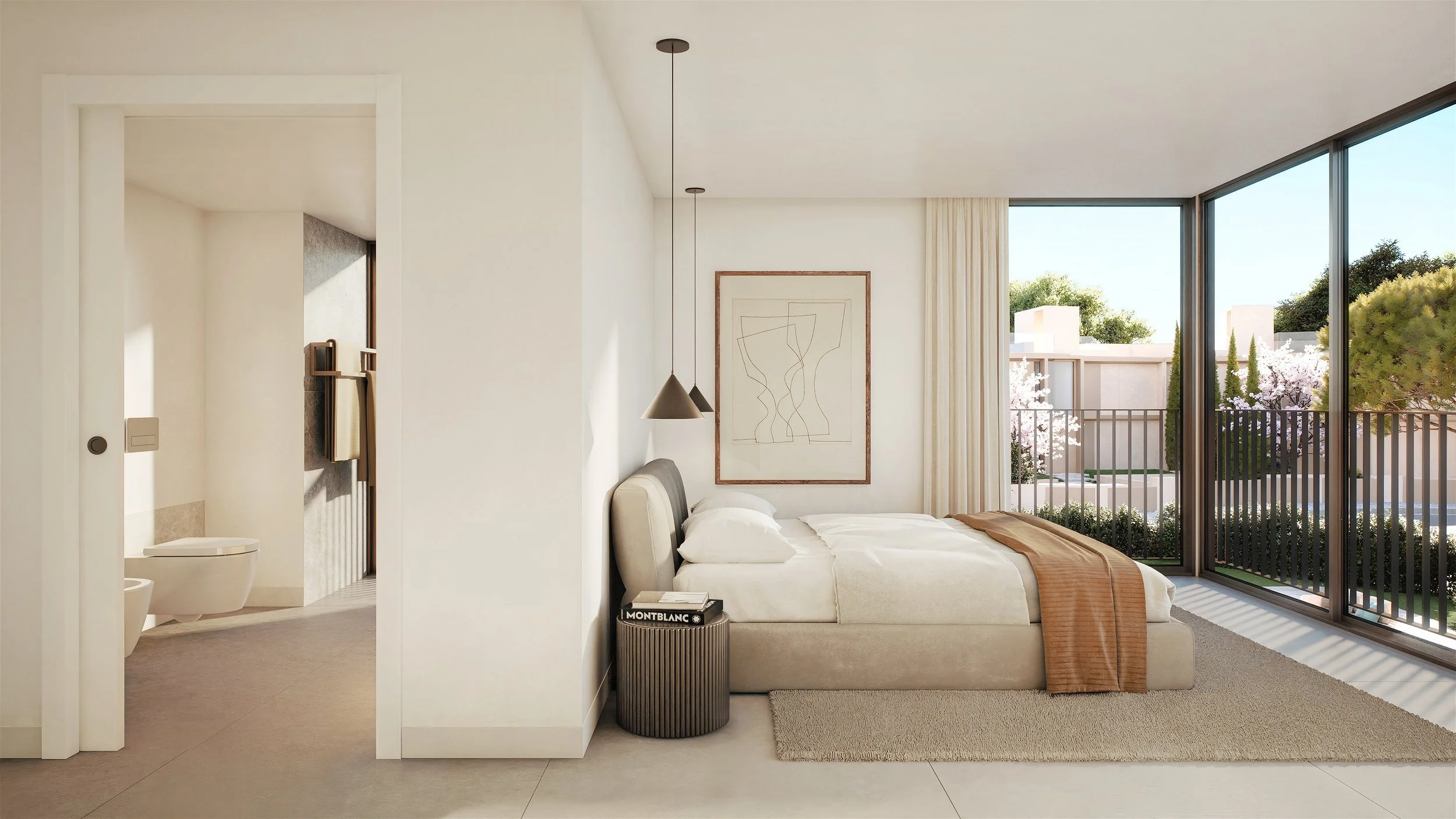
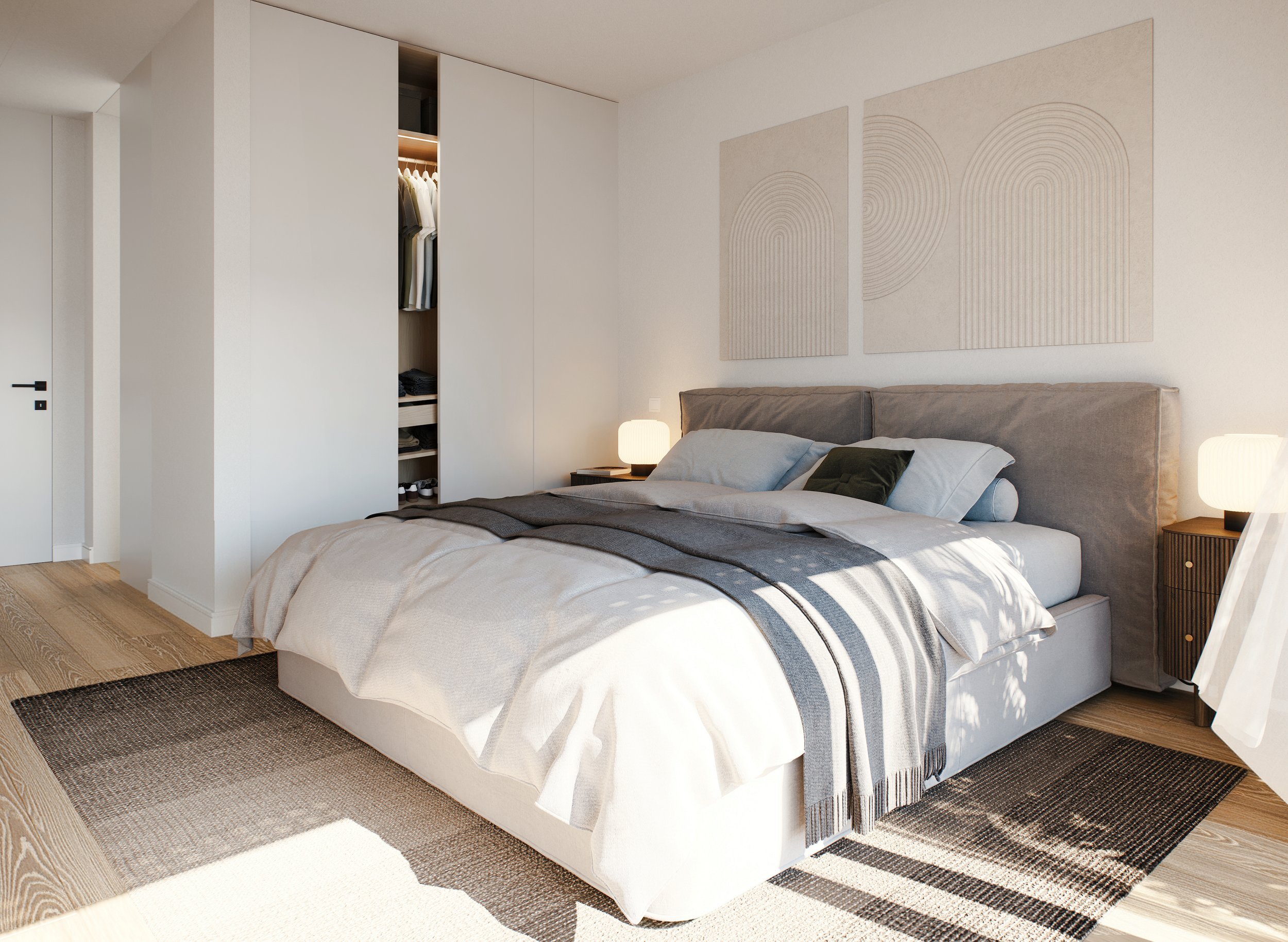
I try to incorporate as much of this accumulated knowledge as I can in my Architectural Visualization work, where my work ranges from fully CG scenes (interior or exterior) or photo insertion work. It’s been a phenomenal journey thus far. One that not only taught me and keeps teaching me how to create, but perhaps most importantly, what it means to me to create.